Professional Swimming Pool Coating & Waterproofing Solutions
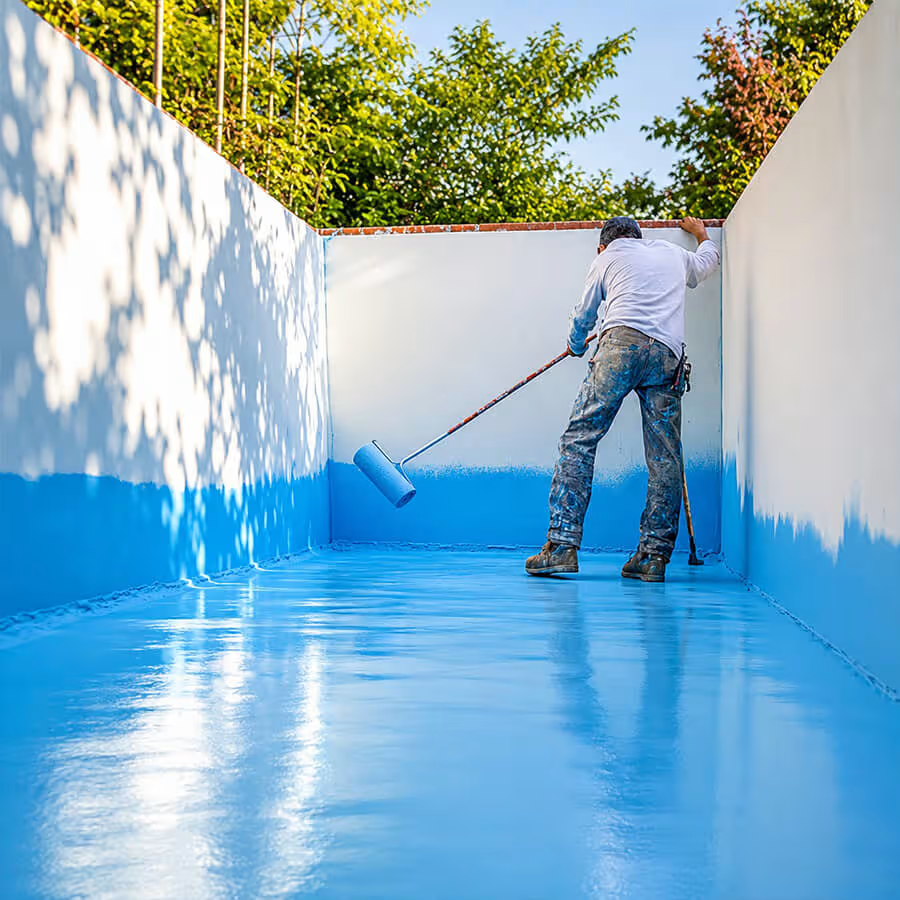
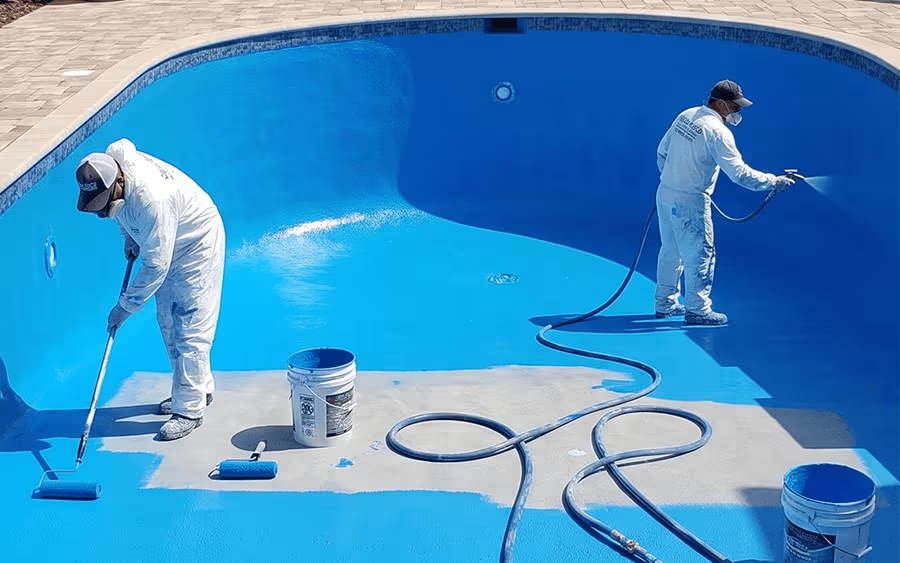
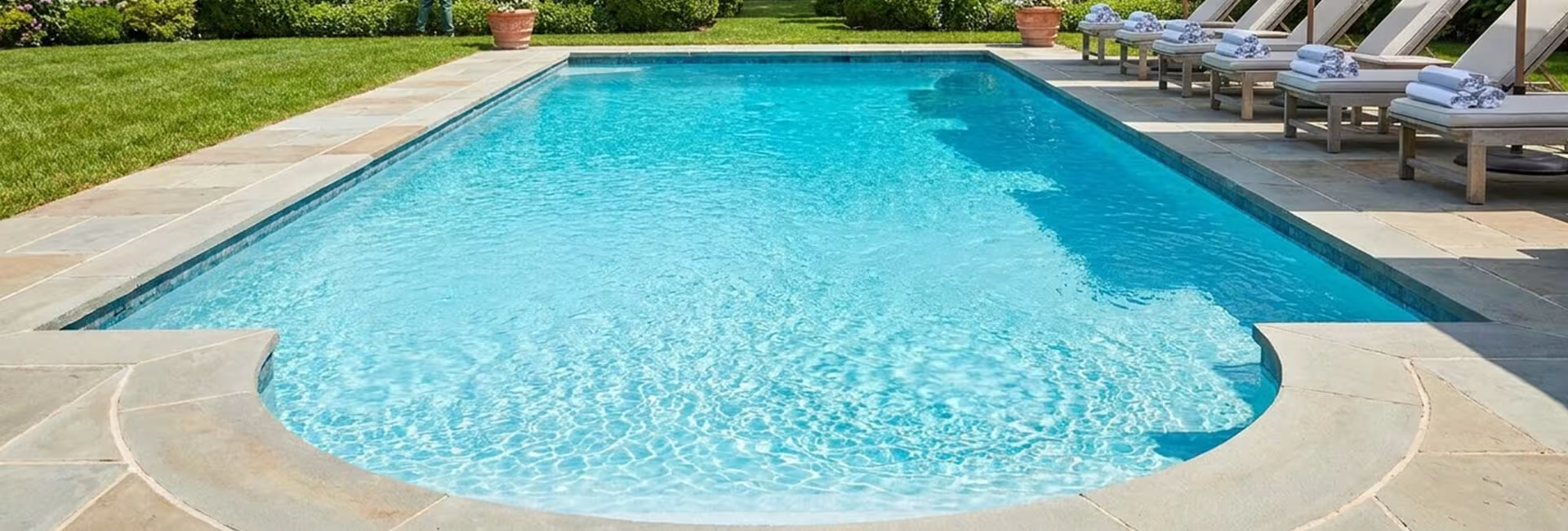
Our specialized coating systems are designed to protect pool surfaces from water seepage, cracks, algae growth, and harsh environmental conditions while maintaining a smooth and attractive finish.
Swimming pools are constantly exposed to water, chemicals, temperature fluctuations, and UV radiation. Without proper coating and waterproofing, pool surfaces can develop cracks, leaks, and structural damage over time.
Find answers to common questions about Ideabuilders.
Water loss alone is not proof, since evaporation in Kerala's heat accounts for a steady drop even in a sound pool. The simple field check is a bucket test: place a filled bucket on a step so the water inside sits level with the pool water, leave the pump running normally for a day, and compare the drop inside and outside the bucket. If the pool has dropped noticeably more, water is escaping somewhere.
Where the loss originates still needs diagnosis. Leaks come from the shell surface, from cracks and construction joints, or from the plumbing, skimmers, inlets and light fittings. Damp patches, soft or settling ground around the pool, and persistently wet surrounding paving usually point to a shell or pipework failure rather than evaporation.
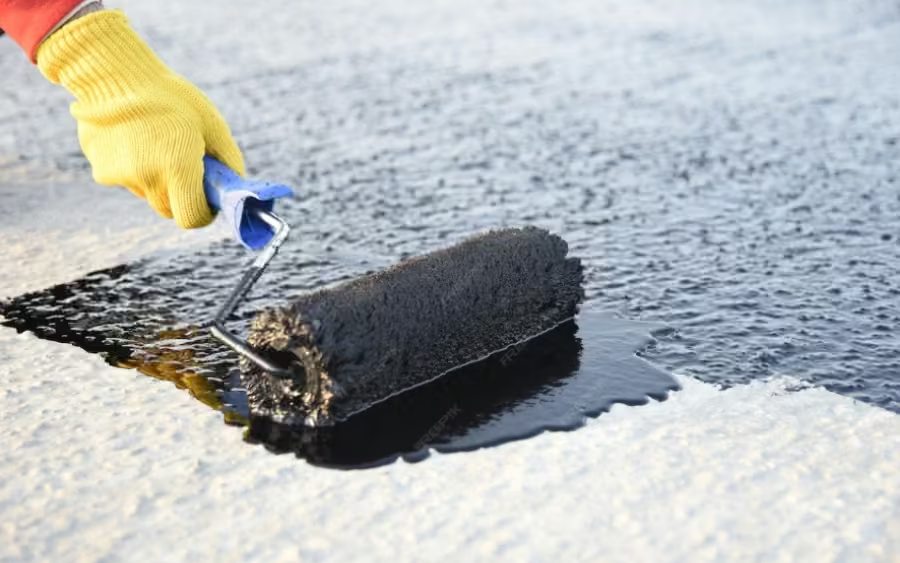
The main categories are cementitious waterproofing systems applied to the concrete shell, epoxy-based coatings that give a hard chemical-resistant finish, and tiled or plastered finishes laid over a waterproofed substrate. Each behaves differently under constant immersion, chlorine exposure and UV, and each demands a different level of surface preparation.
Selection depends on the shell's condition, whether cracks or active seepage exist, the finish you want, and whether the pool is a private residential one or a high-usage commercial pool in a resort, hotel or apartment complex. Any coating applied over a poorly prepared or actively leaking substrate will fail regardless of the product's quality, which is why the assessment matters more than the brand.
Three local conditions accelerate failure. A high water table means groundwater exerts pressure against the outside of the shell through the monsoon, which is the opposite direction to the water pressure the pool was designed to hold. Heavy seasonal rainfall repeatedly saturates the surrounding soil. And sustained heat and humidity create ideal conditions for algae and fungal growth on any surface that is porous or micro-cracked.
Add continuous chemical exposure and UV on the waterline, and an untreated concrete surface deteriorates steadily. Coating is what stands between the structure and all four of those forces at once.
Yes, and this is usually the sensible route. A structurally sound pool with surface deterioration, staining, leaks or a failed finish can be drained, prepared, repaired at cracks and joints, and recoated, retaining the shell, plumbing and surrounds rather than rebuilding them.
One caution matters specifically in Kerala. A pool should not be drained casually during or immediately after the monsoon, because with a high water table the groundwater pressure outside an emptied shell can lift, crack or float the structure. Draining is planned around groundwater conditions and, where required, with dewatering arranged first. This is a common and expensive mistake when pools are emptied by owners or general contractors without checking.
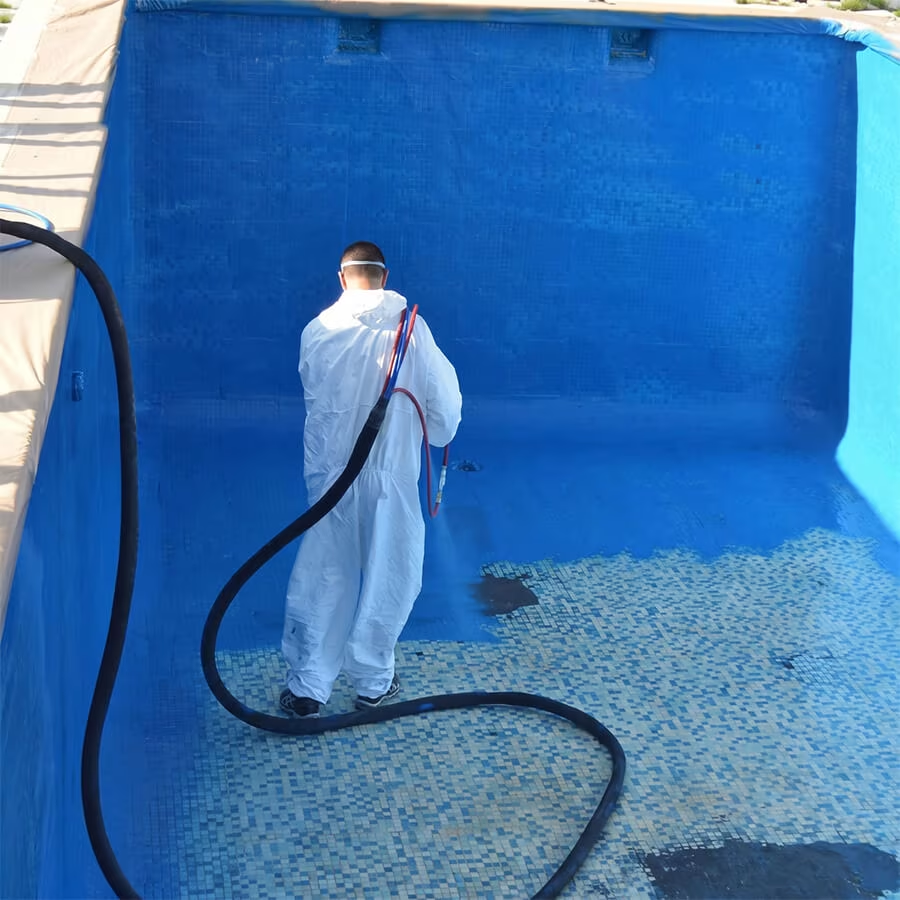
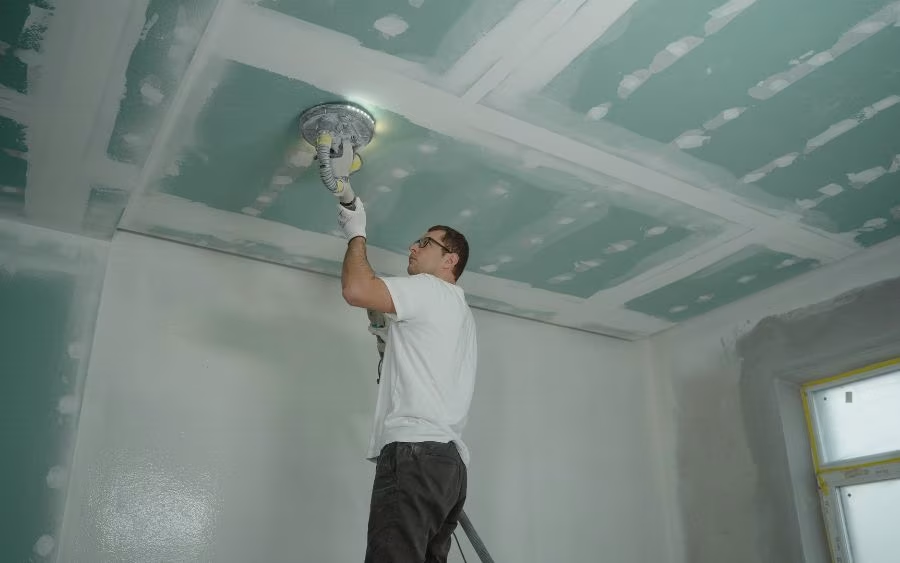
The timeline has four parts: draining and dewatering, surface preparation and crack repair, coating application in its specified number of coats, and curing before refilling. Preparation is usually the longest stage on an older pool, because grinding back failed material, opening up cracks and treating active seepage cannot be rushed without compromising adhesion.
Curing time is set by the coating system and cannot be shortened. Filling a pool before the coating has cured fully is the most common cause of early failure, blistering and discolouration. Humidity and rain also affect drying, which is why scheduling around the monsoon produces a better result than working through it.
Cost is driven by pool surface area and depth, the condition of the existing shell, the extent of crack repair and structural work needed before coating, the coating system specified, and site access for equipment and materials. A pool with active leaks and delaminated surfaces costs considerably more to prepare than one being recoated preventively.
Service life depends on the system used, the quality of the original application, water chemistry maintenance, and usage levels, so a heavily used resort pool will need attention sooner than a private one. Catching deterioration early, when it shows as staining, chalking or hairline cracking rather than active leakage, keeps the job in the maintenance category rather than the repair category. Free assessment on +91 9400 602068 or at info@ideabuilders.in.